


- Bathroom Renovations That Improve Comfort and Functionality
- Kitchen Upgrades That Make Cooking and Entertaining Easier
- Garage Additions That Add Storage, Value, and Convenience
- Custom Two-Story Farmhouse Build in Slatington, PA
- Vault-Grade Firearms Storage Room: A Home Addition in Auburn, PA
- Custom Oak Spiral Staircase and Grand Foyer in Newtown Square, PA
- Why Home Additions Are a Smart Alternative to Moving

Preparing Your Roof for Winter: Essential Steps
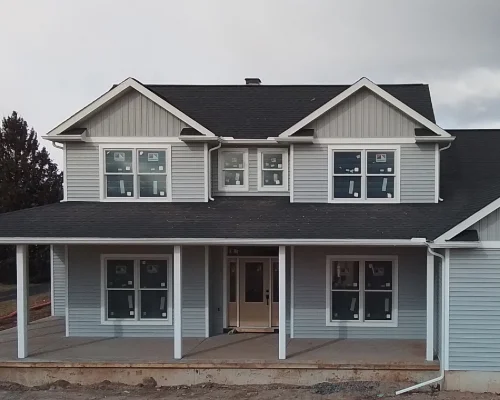
Winter weather can be brutal on your home, and your roof is the first line of defense against snow, ice, and freezing temperatures. Taking the time to prepare your roof before the freezing temperatures and snow arrive can help prevent costly repairs, water damage, and energy loss. We have outlined essential steps homeowners should take to ensure their roof is ready for the colder months
Schedule a Professional Roof Inspection
Before winter is in full swing, we recommend getting your roof professionally inspected. A roofing expert can identify loose shingles, cracked flashing, soft spots, or other vulnerabilities that may worsen under snow and ice. Addressing small issues early can prevent leaks or structural damage during winter storms, saving you money in the long run.
Clean Gutters and Downspouts
Clogged gutters are one of the leading causes of roof issues in the winter. Leaves, debris, and dirt can trap water, which may freeze and form ice dams. Ice dams prevent proper drainage and can force water under your shingles. This can cause wood rot and weaken the structural integrity. Clearing your gutters and ensuring downspouts keep water away from your home helps protect both your roof and foundation.
Check and Repair Shingles
Inspect your roof for missing, curling, or damaged shingles. Winter winds and heavy snow loads can easily lift compromised shingles, exposing the roof deck beneath. Replacing damaged shingles before winter helps maintain a watertight seal and extends the life of your roof.
Trim Overhanging Tree Branches
Overhanging branches can scrape shingles, break under the weight of snow, or fall during winter storms. Trimming branches away from your roof reduces the risk of damage and helps prevent debris buildup that can trap moisture, leading to other issues.
Improve Attic Insulation and Ventilation
Proper attic insulation and ventilation help regulate the temperature of your roof. Poor insulation can cause uneven snow melting, leading to ice dams. Proper ventilation allows warm air to escape, keeping the roof surface colder and reducing freeze-thaw cycles that damage roofing materials.
Address Minor Issues Before They Escalate
Winter conditions make roof repairs more difficult and expensive. Keeping up with maintenance in the fall ensures your roof can withstand harsh weather and protects your home throughout the cold season.
Preparing your roof for winter is an investment in your home’s durability, safety, and energy efficiency. Taking these essential steps now can save you from emergency repairs and provide peace of mind all winter long.