


- Bathroom Renovations That Improve Comfort and Functionality
- Kitchen Upgrades That Make Cooking and Entertaining Easier
- Garage Additions That Add Storage, Value, and Convenience
- Custom Two-Story Farmhouse Build in Slatington, PA
- Vault-Grade Firearms Storage Room: A Home Addition in Auburn, PA
- Custom Oak Spiral Staircase and Grand Foyer in Newtown Square, PA
- Why Home Additions Are a Smart Alternative to Moving

How to Avoid Common DIY Roofing Mistakes
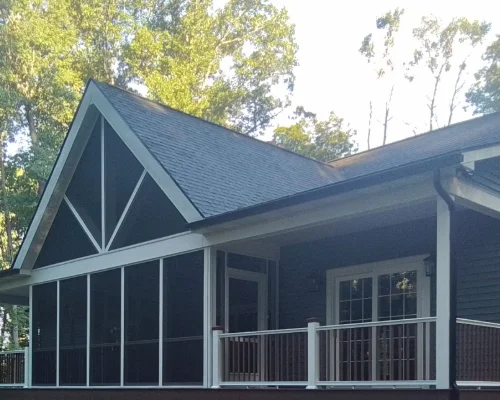
We understand the satisfaction of a job well done, and we respect the homeowner who wants to tackle a project themselves. However, when it comes to your roof, your home’s most critical barrier against the elements, the risks of a DIY mistake can far outweigh the cost savings. At Sunny Ridge Construction, we rely on proven building methods to ensure every roof we touch is built to stand the test of time. Here are the most common DIY roofing mistakes we see and how our professional approach avoids them.
Mistake 1: Improper Nailing
This might seem simple, but incorrect nailing is one of the biggest reasons for roof failure. Nails must be driven straight, flush with the shingle, and placed in the correct nailing line.
- Too deep: The nail rips through the shingle, compromising its wind and water resistance.
- Too shallow: The nail head sticks up, preventing the shingle above it from lying flat and potentially puncturing the shingle from below.
- Incorrect placement: Nailing too high or too low can prevent the shingle from properly sealing and can leave the nail exposed to the weather.
Our crews are trained under the Amish value of diligence, ensuring every shingle is nailed perfectly to specification for maximum durability.
Mistake 2: Failing to Prepare the Decking and Underlayment
A roof is more than just shingles; the layers beneath are crucial. Many DIYers fail to properly inspect or replace damaged wood decking underneath or skip the necessary underlayment. The underlayment (felt or synthetic) is the secondary barrier that protects your home if the shingles fail. Ice and water shield, a critical membrane, is often overlooked in vulnerable areas like valleys and eaves. Skipping these layers invites water damage, rot, and mold. We use modern, high-performance underlayment as a standard part of our proven building methods.
Mistake 3: Overlooking Proper Flashing
Flashing is the metal material used to weatherproof joints and transitions, such as around chimneys, vents, and in valleys. DIYers often use too much caulk instead of proper metal flashing, or they fail to "weave" the flashing correctly into the shingle layers. Caulk cracks and fails quickly, but properly installed metal flashing can last for decades. This detail-oriented work is where our commitment to craftsmanship truly shines, preventing leaks that are difficult to trace later.
If you’re in need of a new roof, it’s much smarter to call the experts instead of trying to tackle this daunting project on your own! Call Sunny Ridge Construction today for a free roofing estimate.